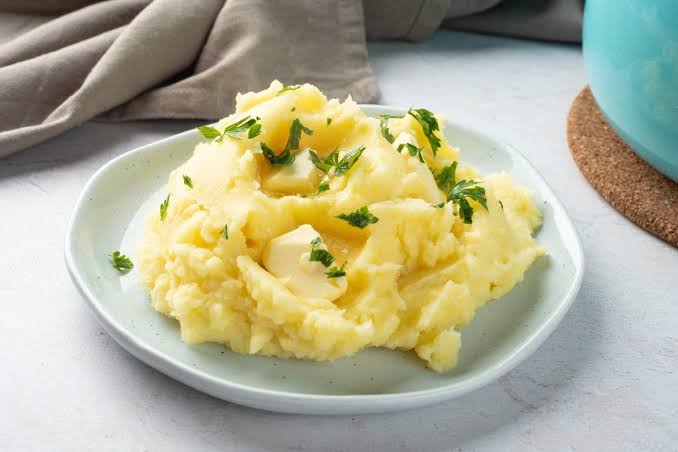
Leftover mashed potatoes have a reputation for going gluey, dry, or watery the second day. The good news: that’s almost always a reheating problem, not a potatoes problem. Get the method right and your leftovers can taste just as good — sometimes better — than the night you made them.
Quick answer: The best way to reheat mashed potatoes is on the stovetop over low heat with a splash of milk or cream stirred in every few minutes, or in the oven at 350°F (175°C) covered with foil for about 20–30 minutes. Both methods reintroduce moisture slowly, which is the real secret. The microwave works too, just in short bursts with stirring in between.
Below are five reliable methods, when to use each one, and the mistakes that turn good mashed potatoes into a gummy mess.
Why Mashed Potatoes Dry Out When Reheated
Potatoes are mostly starch and water. Once refrigerated, that starch firms up and some moisture gets pulled out of the mixture — which is why cold mashed potatoes always look denser than they did fresh off the stove. Reheating without adding any liquid back just cooks that already-dry texture harder. The fix in every method below is the same: add a little fat and liquid back in, and warm gently rather than blasting on high heat, which can break the starch down further and turn potatoes gummy.
Method 1: Stovetop (Best for Texture)
This is the method most home cooks and chefs reach for, because you control the texture the whole way through.
- Add the mashed potatoes to a saucepan over low-medium heat.
- Pour in 2–3 tablespoons of milk, cream, or even reserved cooking water per cup of potatoes.
- Add a small pat of butter if you want extra richness.
- Stir constantly with a spatula or whisk, scraping the bottom so nothing scorches.
- Once warmed through and creamy (about 5–8 minutes), taste and adjust salt — refrigeration mutes seasoning, so most batches need a little more.
Tip: Add liquid gradually. It’s much easier to loosen mashed potatoes than to thicken them back up.
Method 2: Oven (Best for Big Batches)
If you’re reheating a large bowl — say, for a holiday dinner — the oven is the most hands-off option.
- Preheat the oven to 350°F (175°C).
- Spread the potatoes in an oven-safe dish and dot the top with butter, or stir in a splash of milk first.
- Cover tightly with foil so they steam instead of forming a dry crust.
- Bake for 20–30 minutes, stirring once halfway through, until heated through.
For an extra-indulgent version, leave the foil off for the last 5 minutes and let the top turn lightly golden.
Method 3: Microwave (Fastest, for Single Servings)
The microwave is the quickest option but the easiest one to get wrong, because it heats unevenly and can dry potatoes out fast if you’re not careful.
- Put a single serving in a microwave-safe bowl.
- Add a splash of milk and a small pat of butter.
- Cover loosely (a damp paper towel works well) to trap steam.
- Microwave in 30-second bursts at 70–80% power, stirring between each one, until hot.
Stirring between bursts is what prevents the classic microwave problem of scalding-hot edges and a still-cold center.
Method 4: Slow Cooker (Best for Keeping Warm, Not Just Reheating)
If you’re hosting and need mashed potatoes to stay warm for an hour or two without drying out, a slow cooker on the “warm” setting works well.
- Transfer the potatoes to the slow cooker insert.
- Stir in a little extra milk and butter — more than you’d add for a quick reheat, since they’ll sit for a while.
- Set to low or warm, and stir every 20–30 minutes.
- Add a splash more milk if they start looking dry.
This isn’t the fastest method, but it’s the best one for a buffet-style setup where potatoes need to stay scoopable for a long stretch.
Method 5: Air Fryer (For a Crispy Twist)
This one changes the texture rather than just reheating it — useful if you actually want a different result, like crispy mashed potato patties or a gratin-style crust.
- Spread the potatoes in a thin, even layer in an air-fryer-safe dish, or shape into small patties.
- Air fry at 350°F (175°C) for 8–10 minutes, checking halfway through.
- Expect a crisp top and bottom with a soft center — this method is not ideal if you want classic creamy mashed potatoes.
Common Mistakes That Ruin Reheated Mashed Potatoes
- Skipping the extra liquid. This is the single biggest cause of dry, clumpy reheated potatoes.
- Reheating on high heat. High heat cooks the outside before the inside warms, and can break down starch into a gluey texture.
- Not stirring often enough. Especially in the microwave and stovetop, infrequent stirring leads to hot spots and uneven texture.
- Forgetting to re-season. Cold storage dulls flavor — always taste before serving.
How Long Do Leftover Mashed Potatoes Last?
Properly stored in an airtight container in the refrigerator, mashed potatoes stay good for 3–5 days. If you won’t use them within that window, they freeze reasonably well for up to 2 months — just know the texture softens slightly after thawing, so a stovetop reheat with extra butter and cream helps bring them back.
Frequently Asked Questions
Can you freeze mashed potatoes? Yes. Cool them completely, store in a freezer-safe, airtight container, and freeze for up to 2 months. Thaw overnight in the fridge before reheating on the stovetop with extra milk and butter to restore creaminess.
Why are my reheated mashed potatoes gluey? This usually means they were reheated on too-high heat or stirred too aggressively, which breaks down the starch. Reheat gently over low heat and stir just enough to combine.
Can you reheat mashed potatoes more than once? It’s best to only reheat the portion you’ll actually eat. Repeated reheating of the same batch increases food-safety risk and degrades texture further each time.
Do you need to add milk every time you reheat mashed potatoes? Not always, but it almost always helps. Even a tablespoon or two per serving makes a noticeable difference in texture.
Looking for the full mashed potato method from scratch, or want to know exactly how long to boil potatoes before mashing? Check out our other Recipes and Farming Guides on PotatoKenya for more potato know-how.