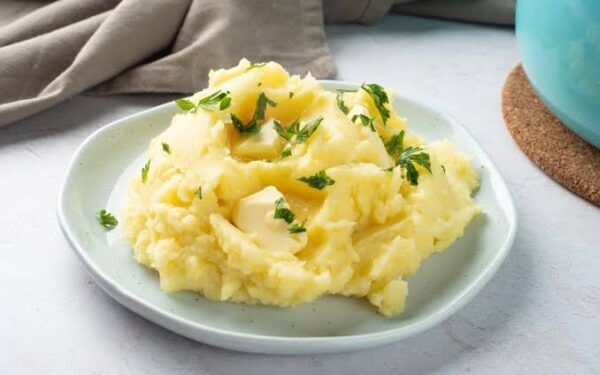
Whether you made too much for dinner or you’re getting ahead on holiday prep, freezing leftover mashed potatoes is absolutely doable — it just takes one extra step that most people skip, and that step is the difference between creamy and grainy when you thaw them.
Quick answer: Yes, you can freeze mashed potatoes for up to 2–3 months. The key is adding a bit of extra butter or cream before freezing, since potatoes lose moisture and their starch structure changes in the freezer, which can make low-fat mashed potatoes turn watery or grainy after thawing. Freeze in an airtight container or portioned freezer bags, and reheat gently with even more added liquid.
Here’s the full method, plus how to fix the texture if it’s already gone a bit grainy.
Why Mashed Potatoes Can Get Grainy After Freezing
Potato starch is sensitive to freeze-thaw cycles. As ice crystals form and then melt, they disrupt the starch structure that gives mashed potatoes their smooth, creamy texture — which is why a low-fat, mostly-water version tends to separate and turn watery or grainy once thawed. Extra fat (butter, cream, or both) helps coat and stabilize that starch structure, which is why richer mashed potatoes freeze noticeably better than leaner ones.
How to Freeze Mashed Potatoes
- Make them slightly richer than usual. Add a bit more butter and cream than your normal recipe calls for — this is the single biggest factor in good texture after thawing.
- Cool completely. Spread the potatoes in a shallow dish to cool faster, then refrigerate until fully cold before freezing. Freezing warm food can create ice crystals and affects nearby items in the freezer.
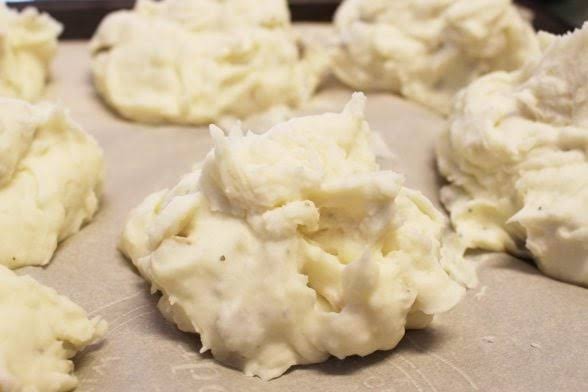
- Portion before freezing. Freeze in individual or family-sized portions, in airtight, freezer-safe containers or heavy-duty freezer bags. This makes reheating just what you need much easier than thawing one giant block.
- Remove excess air. If using freezer bags, press out as much air as possible before sealing — flattening the bag also helps it thaw faster later.
- Label with the date. Mashed potatoes are best used within 2–3 months for the best texture, though they remain safe to eat longer if kept consistently frozen.
How to Thaw and Reheat Frozen Mashed Potatoes
- Thaw in the refrigerator overnight. This is the safest and most reliable method — avoid thawing at room temperature.
- Reheat on the stovetop over low heat, stirring in extra milk, cream, or butter as needed to bring back a smooth consistency. Start with a couple of tablespoons of liquid per cup of potatoes and adjust from there.
- Or reheat in the oven at 350°F (175°C), covered with foil, stirring once halfway through, until heated through.
- Whisk or beat vigorously once warmed if the texture still looks slightly separated — this can re-incorporate the fat and smooth things back out.
- Taste and re-season. Freezing mutes flavor just like refrigeration does, so most batches need a little extra salt after reheating.
For the full breakdown of reheating methods (stovetop, oven, microwave, slow cooker, and air fryer), see our guide: How Do You Warm Up Mashed Potatoes?
Tips for the Best Results
- Use a higher-fat recipe specifically for freezing. If you know you’re freezing a portion in advance, hold back slightly on milk and add a bit more butter or cream instead — fat freezes and reheats more gracefully than a thin, milk-heavy mixture.
- Avoid freezing mashed potatoes with a lot of added milk and little fat. This combination is the most likely to turn watery.
- Add fresh dairy when reheating, not just when freezing. Even well-prepared frozen mashed potatoes benefit from a fresh splash of cream or butter stirred in during reheating.
- Don’t refreeze thawed mashed potatoes. Once thawed, use them within a few days and don’t put them back in the freezer — texture and food safety both decline with each freeze-thaw cycle.
Do Some Potato Varieties Freeze Better Than Others?
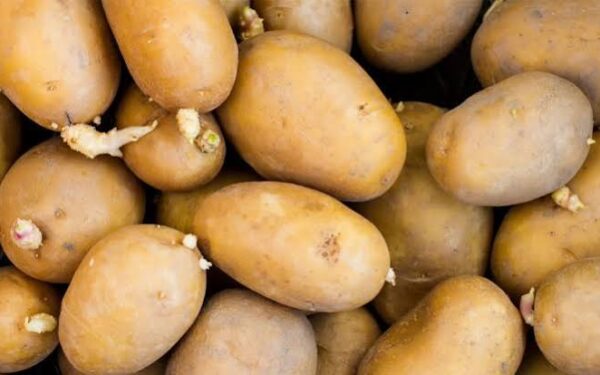
Yes. Mashed potatoes made from starchy potatoes (like Russets) tend to hold up slightly better in the freezer than those made from waxy potatoes (like red or new potatoes), which have a higher water content and are more prone to turning grainy after thawing. If you’re making a batch specifically to freeze, Russets or Yukon Golds are a safer choice than waxy varieties.
How Long Do Frozen Mashed Potatoes Last?
| Storage method | Shelf life |
|---|---|
| Refrigerator (airtight container) | 3–5 days |
| Freezer (airtight container or bag) | 2–3 months for best texture; safe to eat longer if kept frozen |
Frequently Asked Questions
Do frozen mashed potatoes taste different after thawing? Texture is the main change, not flavor — properly prepared (with enough fat) and properly reheated mashed potatoes taste very close to fresh. Re-seasoning after reheating helps close the gap further.
Can I freeze mashed potatoes with garlic or herbs already mixed in? Yes, most mix-ins freeze fine. Dairy-heavy additions (like sour cream or cream cheese) generally freeze well too, as long as the overall mixture has enough fat content.

Why did my frozen mashed potatoes turn watery? This usually means the original batch was lower in fat relative to liquid, or it wasn’t reheated with enough added fat/liquid to re-bind the starch. Whisking vigorously while reheating, with extra butter or cream, can often rescue the texture.
Can you freeze mashed sweet potatoes the same way? Yes, the same principles apply — extra fat before freezing, gentle reheating with added liquid afterward.
Is it better to freeze mashed potatoes in a big batch or small portions? Small, individual or meal-sized portions are generally better — they thaw faster, reheat more evenly, and you’re not stuck thawing more than you need at once.
Want the full mashed potato method from scratch, including exactly how long to boil the potatoes first? Check our Recipes section for more.