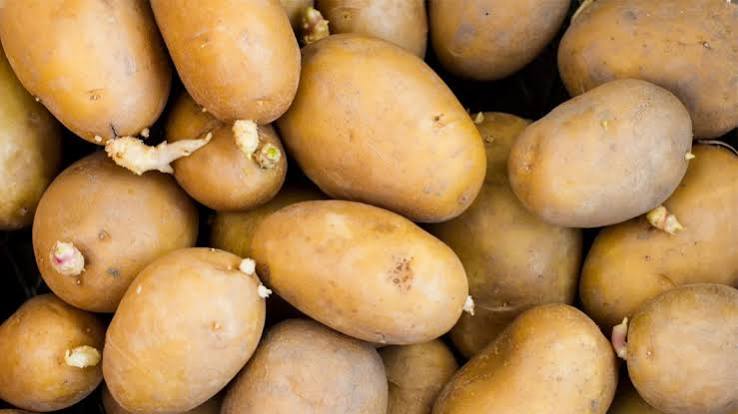
You reach into the pantry for dinner and find your potatoes have grown little white or purple “eyes.” Before you toss the whole bag, it’s worth knowing that sprouting alone doesn’t automatically mean a potato is unsafe.
Quick answer: Yes, you can usually still eat a sprouted potato — as long as you cut away the sprouts and the potato itself is still firm, with no green coloring and no excessive wrinkling or softness. The sprouts themselves should always be removed and discarded, since they contain concentrated levels of a natural toxin. If the potato is soft, shriveled, heavily sprouted, or green, it’s better to throw it out.
Here’s exactly what’s happening when a potato sprouts, and how to judge whether yours is still good to cook.
Why Potatoes Sprout
Sprouting is simply the potato trying to grow into a new plant. It happens naturally with age, and is accelerated by warm temperatures, humidity, and light exposure during storage. A potato sitting in a warm kitchen will sprout faster than one stored in a cool, dark pantry.
What’s Actually in the Sprouts
Potatoes naturally contain compounds called glycoalkaloids — primarily solanine and chaconine — which the plant produces partly as a natural defense against pests. These compounds are present throughout the potato at low levels, but they concentrate heavily in three specific places:
- The sprouts (“eyes”)
- Green-tinged skin or flesh
- The skin generally, more than the flesh
In small amounts, this isn’t a concern — it’s why eating a normal, unsprouted potato is completely safe. But once a potato sprouts, glycoalkaloid concentration rises significantly in and around those sprouts, which is exactly why they need to be cut away rather than left in.
One important detail: cooking does not destroy these toxins. Frying, boiling, or baking a potato won’t neutralize solanine, which is why physically removing the sprouts (and any green parts) before cooking is the step that actually matters — not the cooking temperature.
How to Tell If a Sprouted Potato Is Still Safe
Use this checklist:
| Sign | What it means |
|---|---|
| Small sprouts, potato still firm | Safe — cut out sprouts and cook normally |
| Multiple/large sprouts, potato still firm | Generally still safe — cut out all sprouts thoroughly, including the surrounding eye |
| Green tinge on skin or flesh | Discard that portion, or the whole potato if green is extensive |
| Soft, wrinkled, or shriveled texture | Discard — texture changes indicate significant quality and safety decline |
| Off smell | Discard — this indicates spoilage beyond simple sprouting |
The general rule experts point to: firmness and color matter more than the presence of sprouts alone. A firm potato with small sprouts and no green is the most common, lowest-risk scenario. A soft, green, heavily sprouted potato is the one to throw away without a second thought.
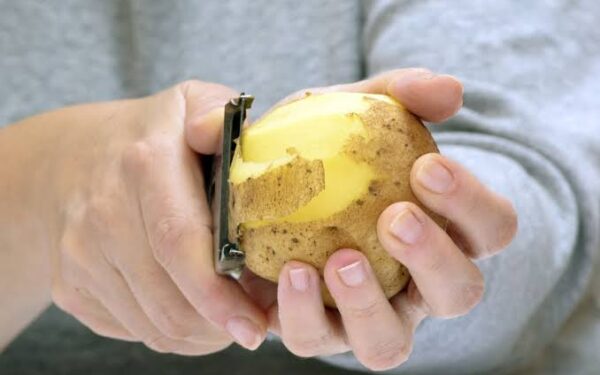
How to Remove Sprouts Properly
- Use a small, sharp paring knife.
- Cut out each sprout along with a small amount of the surrounding flesh (the “eye”), not just the visible green or white shoot.
- Inspect the cut area — if you see any green coloring underneath, keep trimming until you reach normal-colored flesh, or discard that section entirely.
- Wash the potato before cooking as you normally would.
Why Green Skin Is a Bigger Concern Than Sprouts Alone
The green color itself comes from chlorophyll, which forms when a potato is exposed to light — chlorophyll itself is harmless. But green coloring is also a reliable visual signal that glycoalkaloid (solanine) levels have risen in that same area, since both develop under similar light-exposure conditions. That’s why food safety guidance treats green skin as a more serious warning sign than sprouting alone, and recommends discarding green portions rather than just trimming the surface.
How to Prevent Sprouting in the First Place
- Store in a cool, dark, well-ventilated spot — ideally around 45–50°F (7–10°C). Refrigeration is generally not recommended for raw storage, since it can affect texture and flavor over time, though brief refrigeration isn’t harmful.
- Keep potatoes away from onions — they release gases that accelerate each other’s spoilage when stored together.
- Use a breathable container — a paper bag, basket, or perforated bin, not a sealed plastic bag, which traps moisture.
- Check stored potatoes periodically and use older ones first.
When to Just Throw the Whole Potato Away
Don’t try to salvage a potato that is:
- Soft or mushy to the touch
- Significantly wrinkled or shriveled
- Extensively green, beyond a small spot
- Sprouting heavily with long, well-developed shoots and visible root growth
- Giving off a musty or off smell
In these cases, the trade-off of trimming versus the food quality and safety risk isn’t worth it — compost it instead.

Frequently Asked Questions
Is it safe to eat the sprouts themselves? No. The sprouts contain the highest concentration of glycoalkaloids on the potato and should always be cut away and discarded, never eaten.
Does cooking destroy the toxin in sprouted potatoes? No. Glycoalkaloids like solanine are heat-stable, meaning normal cooking temperatures don’t break them down. Physical removal of sprouts and green areas is what actually reduces exposure.
Can I plant a sprouted potato instead of eating it? Yes — sprouted potatoes are essentially trying to grow a new plant, and can be planted in soil to grow new tubers, which is actually how seed potatoes are traditionally propagated.
What are the symptoms of eating too much solanine? Glycoalkaloid poisoning can cause nausea, stomach cramps, diarrhea, and headache. Severe poisoning is rare from typical home cooking situations, but it’s still the reason trimming sprouts and avoiding green potatoes matters.
Are sweet potatoes affected by the same sprouting concern? Sweet potatoes can also sprout, but they’re a different plant family and don’t carry the same solanine risk as regular potatoes. Sprouted sweet potatoes are generally considered safe to trim and use, following similar firmness and quality checks.
Storing a big harvest and want to avoid this problem altogether? See our Farming Guides for proper curing and storage techniques.