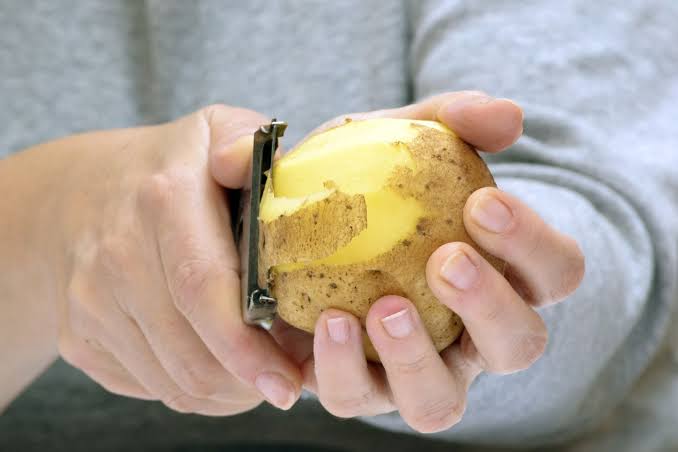
If you’re new to managing celiac disease or a gluten sensitivity, the good news is that potatoes are one of the easiest, safest staples to build meals around — in any form.
Quick answer: Yes, potatoes are naturally gluten-free. This is true for every variety and every basic preparation — baked, boiled, roasted, fried, or mashed. Potatoes are a root vegetable, not a grain, and contain no gluten in their natural state. The exceptions are entirely about what gets added during preparation, not the potato itself.
Here’s the full picture: why potatoes are inherently safe, where gluten can actually show up, and how to stay confident at the grocery store, in your own kitchen, and when eating out.
Why Potatoes Don’t Have Gluten
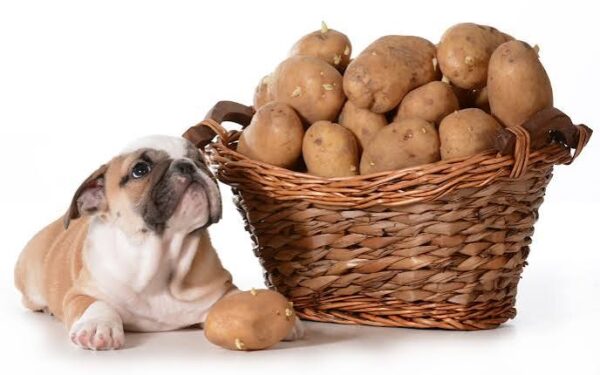
Gluten is a protein found specifically in wheat, barley, rye, and triticale. It’s what gives bread dough its stretch and structure. Potatoes belong to an entirely different category — they’re a starchy root vegetable, related to tomatoes and peppers, not to any grain. That means a potato, in its natural state, has never contained gluten and never will, regardless of variety, color, or size.
This applies across the board:
- Russet, Yukon Gold, red, fingerling, purple — all gluten-free.
- Sweet potatoes — also gluten-free (a different plant family entirely, but equally grain-free).
- Baked, boiled, steamed, mashed, or roasted with just oil, salt, and herbs — all safe.
Where Gluten Can Actually Show Up
Since the potato itself is never the problem, gluten contamination always traces back to one of these:
1. Frying oil shared with breaded foods
French fries are naturally gluten-free, but if they’re cooked in the same fryer oil as breaded chicken, onion rings, or other wheat-coated foods, they pick up gluten through cross-contact. This is one of the most common ways a “safe” food becomes unsafe at restaurants.
2. Pre-seasoned or flavored products
Flavored potato chips, seasoned frozen fries, and pre-packaged hash browns sometimes include wheat-based starches, malt flavoring (derived from barley), or seasoning blends with gluten-containing anti-caking agents. Always check the label rather than assuming.
3. Sauces, gravies, and dressings
A plain baked or roasted potato is safe — but the gravy, cheese sauce, or dressing served alongside it might not be. Traditional gravy is typically thickened with wheat flour.
4. Recipes that add flour
Some potato dishes intentionally include wheat flour as an ingredient:
- Gnocchi — traditionally made with wheat flour (gluten-free versions exist, but they’re not the default).
- Scalloped or au gratin potatoes — some recipes use flour to thicken the cream sauce.
- Potato bread or rolls — despite the name, these are primarily wheat flour, with potato as a secondary ingredient.
- Some veggie/potato pancake recipes — occasionally use a small amount of flour as a binder.
5. Malt vinegar
A small but real one: traditional malt vinegar, often served with fries in the UK, is made from barley and is not gluten-free, even though the fries themselves are. Look for a gluten-free vinegar or condiment alternative if this matters to you.
6. Cross-contact in your own kitchen
If you’re cooking for someone with celiac disease specifically (not just a mild sensitivity), shared cutting boards, fryers, toasters, or utensils that have touched gluten-containing food can transfer trace amounts — enough to matter for celiac disease, even if the recipe itself contains no gluten ingredients.
Quick Reference: Common Potato Dishes
| Dish | Gluten-free? |
|---|---|
| Baked potato (plain) | Yes |
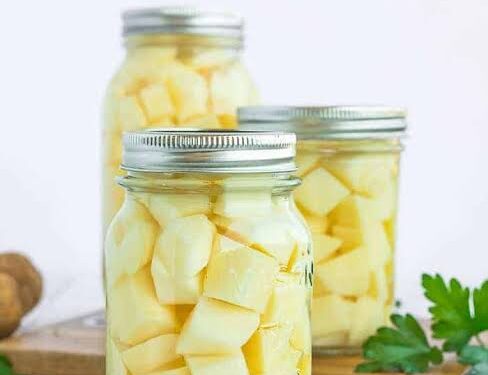
| Boiled or steamed potatoes | Yes |
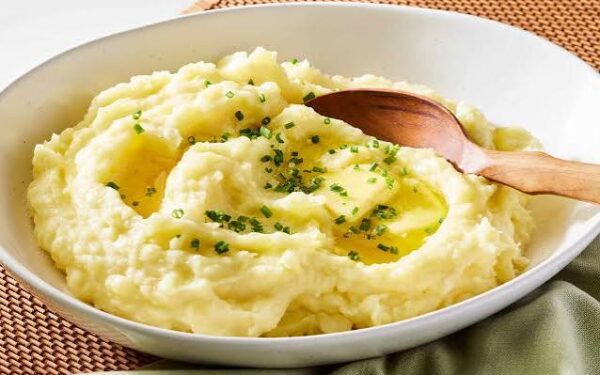
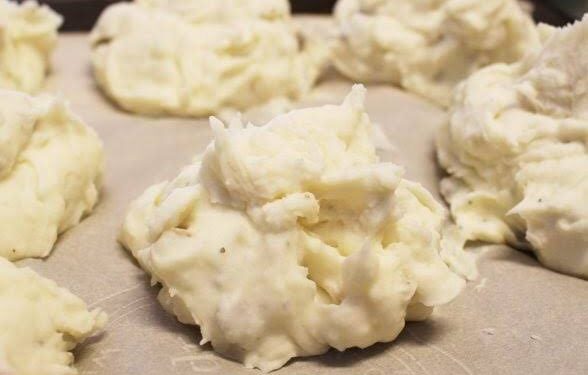
| Mashed potatoes (butter, milk, salt only) | Yes |
| Roasted potatoes (oil, salt, herbs) | Yes |
| Hash browns (plain, fresh-cut) | Usually, check packaged versions |
| French fries | Usually, but check for shared fryer oil |
| Potato chips | Often, but flavored varieties can vary — check labels |
| Scalloped/au gratin potatoes | Not always — some recipes use flour |
| Gnocchi | No, unless specifically labeled gluten-free |
| Potato bread/rolls | No — primarily wheat flour |
| Latkes/potato pancakes | Usually, but check for added flour or breadcrumbs |
How to Keep Potato Dishes Reliably Gluten-Free
- Cook potatoes yourself with ingredients you’ve checked, rather than relying on pre-made or restaurant versions when avoiding gluten matters most.
- Read labels on anything packaged — frozen fries, chips, and pre-seasoned potato products vary by brand.
- Ask how restaurant fries are cooked if you have celiac disease — specifically whether the fryer is shared with breaded items.
- Use a gluten-free flour (cornstarch, rice flour, or a certified gluten-free blend) if a recipe calls for thickening a sauce or gravy.
- Keep dedicated, clean equipment for gluten-free cooking if you’re managing celiac disease in a household that also eats gluten-containing food.
Frequently Asked Questions
Do potatoes have gluten in any form? No. Potatoes are naturally gluten-free in every variety and every basic cooking method. Gluten only enters the picture through added ingredients or cross-contact during preparation.
Are sweet potatoes gluten-free too? Yes. Sweet potatoes are a different plant entirely from wheat, rye, and barley, and are naturally gluten-free in their plain form.
Is potato starch the same as potato flour, and are both gluten-free? Both potato starch and potato flour are made entirely from potatoes and are naturally gluten-free. They’re commonly used as gluten-free thickeners and baking ingredients — just confirm the specific product hasn’t been processed in a facility with cross-contact risk if you have celiac disease.
Can people with celiac disease eat french fries at any restaurant? Not automatically. The fries themselves are gluten-free, but shared fryer oil with breaded foods is a common source of cross-contact. Ask before ordering if this matters for your specific situation.
Are instant or boxed mashed potatoes gluten-free? It depends on the brand and specific product. Some are certified gluten-free; others include gluten-based thickeners or flavoring. Always check the ingredient label.
Specifically wondering about mashed potatoes — restaurant gravy, bouillon, and all? See our focused guide: Are Mashed Potatoes Gluten-Free?