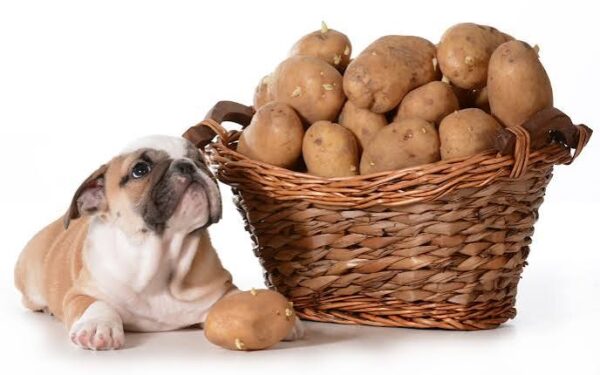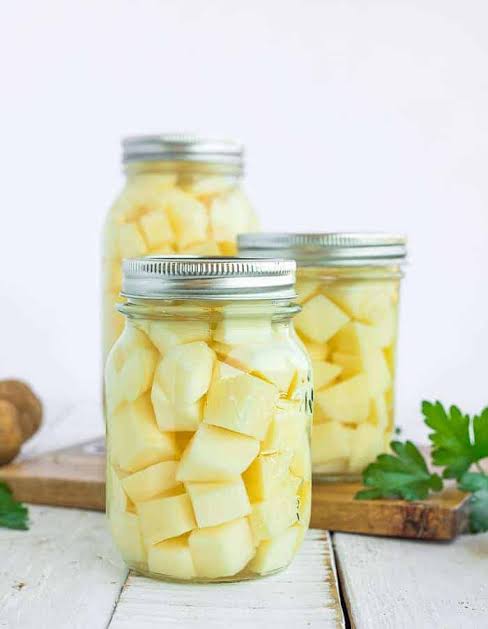
A quick editorial note before we start: “can potatoes” is a short, frequently-searched query, and the clearest, most useful way to answer it is as a how-to for home canning — preserving potatoes in jars for long-term storage. If you landed here looking for something else (like whether potatoes can be frozen, or whether dogs/chickens can eat them), those are separate guides linked at the end.
Quick answer: Yes, you can can potatoes at home, but only using a pressure canner — never a water-bath canner. Potatoes are a low-acid food, and water-bath canning doesn’t get hot enough to destroy Clostridium botulinum, the bacteria responsible for botulism. Peeled, cubed potatoes processed in a pressure canner at the correct pressure for your altitude (35 minutes for pints, 40 minutes for quarts) are shelf-stable for 12–18 months.
This guide follows USDA and National Center for Home Food Preservation (NCHFP) tested guidelines. Canning is one of the few kitchen tasks where it genuinely matters to follow the numbers exactly — don’t adjust times, sizes, or methods based on instinct.
Why You Can’t Water-Bath Can Potatoes
Water-bath canning works for high-acid foods (think pickles, jams, most fruit) because the acidity itself prevents the growth of Clostridium botulinum, the bacteria that causes botulism — a rare but potentially fatal form of food poisoning. Potatoes are low-acid, which means acidity alone can’t protect them. Low-acid foods require the much higher, sustained temperature that only a pressure canner can reach to safely destroy botulism-causing spores. There’s no safe workaround for this — it’s the single non-negotiable rule of potato canning.
What You’ll Need
- A pressure canner (not just a pressure cooker — check that yours is rated and sized for canning)
- Canning jars (pint or quart), new lids, and bands
- A jar lifter, canning funnel, and bubble remover/headspace tool
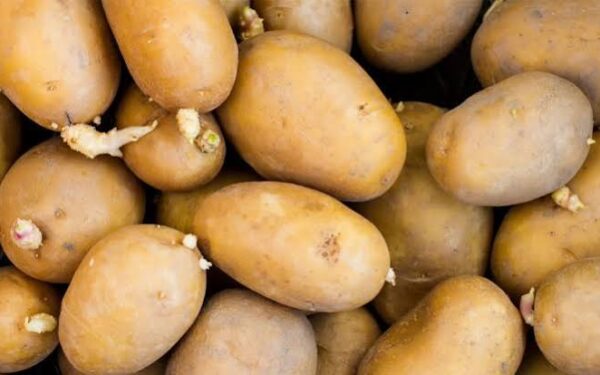
- Fresh, firm potatoes — small to medium, waxy varieties (like red or yellow potatoes) hold their shape better during processing than starchy russets
- A vegetable peeler and a clean prep area
Step-by-Step: Canning Potatoes
1. Prep your jars and equipment
Wash jars, lids, and bands in hot, soapy water and rinse well. Keep jars warm until you’re ready to fill them.
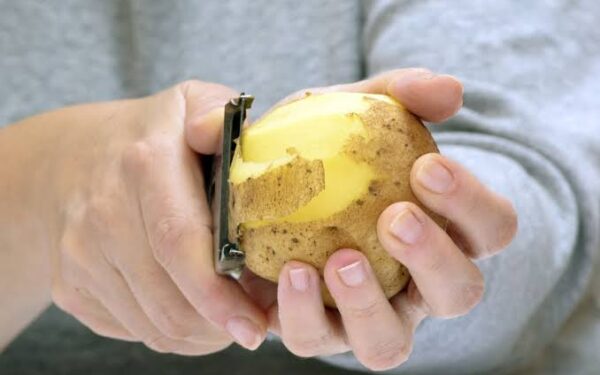
2. Wash and peel the potatoes
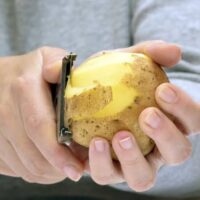
Peeling is a genuine safety step, not just a texture preference — potato skins can carry soil-borne bacteria. Cut potatoes into even 1–2 inch cubes (or leave very small new potatoes whole).
3. Pre-treat to prevent darkening
If you’re not packing immediately, hold peeled, cut potatoes in an ascorbic acid solution (or cold water with a splash of lemon juice) to prevent browning.
4. Blanch
- Cubed potatoes: boil for 2 minutes, then drain.
- Whole small potatoes: boil for 10 minutes, then drain.
5. Pack the jars
Pack the hot, blanched potatoes into warm jars, leaving 1 inch of headspace at the top. Add 1 teaspoon of salt per quart (½ teaspoon per pint) if desired — this is for flavor only and has no effect on safety, so it’s optional.
6. Add fresh boiling water
Cover the potatoes with fresh boiling water — not the starchy water you blanched them in — maintaining that 1-inch headspace. Remove air bubbles with a bubble tool or non-metal utensil, then wipe jar rims clean before adding lids.
7. Process in the pressure canner
This is the step where precision matters most.
- Processing time: 35 minutes for pints, 40 minutes for quarts.
- Pressure (weighted gauge canners): 10 lbs at altitudes below 1,000 ft; 15 lbs above 1,000 ft.
- Pressure (dial gauge canners): 11 psi below 2,000 ft; 12 psi from 2,001–4,000 ft; 13 psi from 4,001–6,000 ft; 14 psi from 6,001–8,000 ft.
Always follow your specific canner manufacturer’s instructions for venting and bringing it up to pressure, and never skip the venting step (typically 10 minutes of steady steam) before adding the weight — this clears air from the canner so your pressure reading is accurate.
8. Cool naturally
Once processing time is complete, turn off the heat and let the canner depressurize on its own. Don’t force it by running water over it or removing the weight early — this can cause jar breakage and an unsafe seal. This can take 30–45 minutes.
9. Check seals and store
Once jars are completely cool (allow 12–24 hours), check that lids have sealed (the center should be slightly concave and not flex when pressed). Remove the bands, label with the date, and store in a cool, dark place. Properly sealed, pressure-canned potatoes keep for 12–18 months.
What NOT to Can
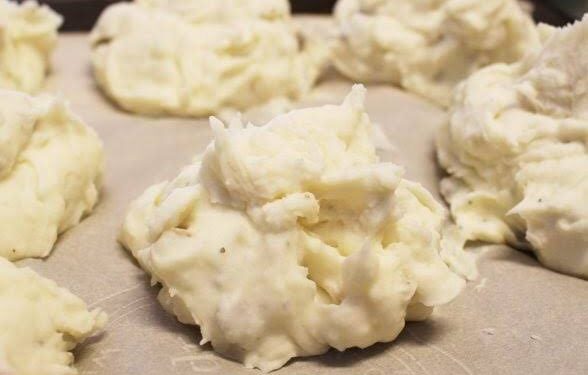
- Mashed potatoes. The dense, smooth texture prevents heat from penetrating evenly through the jar during processing, which is a genuine food-safety issue, not just a quality one.
- Cream-based potato soups. Same heat-penetration problem, plus dairy doesn’t can safely using standard methods.
- Any recipe you’ve improvised. Stick to tested USDA/NCHFP recipes. Changing potato size, jar size, or processing time isn’t a matter of taste — it can make the final product genuinely unsafe.
A Few Things That Are Normal (Not a Problem)
- Cloudy liquid in the jar — potatoes vary in starch content, and higher-starch potatoes can cloud the liquid. This is a cosmetic issue, not a safety one. Rinse before using if it bothers you.
- Potatoes settling or shifting in the jar — normal during processing.
How to Use Canned Potatoes
Canned potatoes are already fully cooked, so they’re a genuine convenience item:
- Drain and pan-fry for quick home fries.
- Add directly to soups and stews in the last few minutes of cooking.
- Mash with butter and milk for a fast side dish.
- Toss into a skillet hash with eggs and vegetables.
Frequently Asked Questions
Can I can potatoes without a pressure canner? No. There’s no safe substitute for a pressure canner with potatoes — they’re a low-acid food, and water-bath canning doesn’t reach a high enough temperature to eliminate botulism risk.
Do I have to peel potatoes before canning? Yes. Peeling is considered a required safety step in tested USDA recipes, not an optional preference.
How long do canned potatoes last? Properly sealed and stored in a cool, dark place, home-canned potatoes are typically good for 12–18 months. Always inspect jars before use — discard anything with a broken seal, off smell, spurting liquid, or visible mold.
Can I can sweet potatoes the same way? Sweet potatoes can also be safely pressure canned, but they use a different prep method (typically par-boiled or baked, then peeled and packed in syrup or water) and their own tested processing times — don’t substitute the regular potato method directly.
What’s the difference between a pressure canner and a pressure cooker? Some pressure cookers can also function as pressure canners if they’re large enough and properly rated, but not all are — check your specific model against current USDA/NCHFP-approved equipment lists before using it for canning.
Looking for other ways to preserve a big harvest? See our Farming Guides for storage and curing tips, or Can You Freeze Mashed Potatoes? if freezing is more your speed than canning.