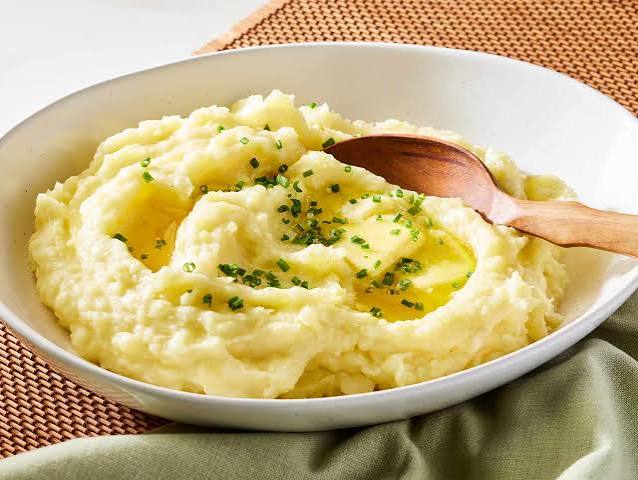
If you’re managing celiac disease, a gluten intolerance, or just cooking for someone who is, mashed potatoes are usually one of the safer items on the table. But “usually” is doing some work in that sentence, and the exceptions are worth knowing.
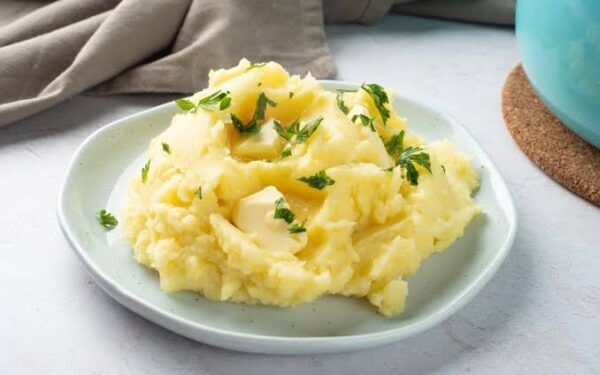
Quick answer: Yes, mashed potatoes are gluten-free when made simply — potatoes, butter, milk, salt, and pepper are all naturally free of gluten. The risk comes from what’s added: thickeners, bouillon or stock, seasoning blends, or gravy can introduce gluten, and store-bought or restaurant versions aren’t always made the way you’d assume.
Here’s exactly what’s safe, what to double-check, and how to make sure your own batch is gluten-free with zero guesswork.
Why Potatoes Are Naturally Gluten-Free
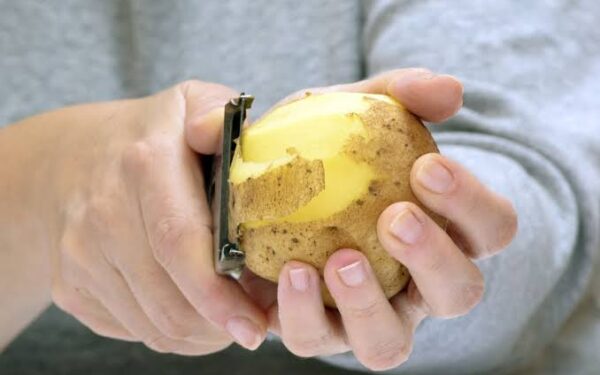
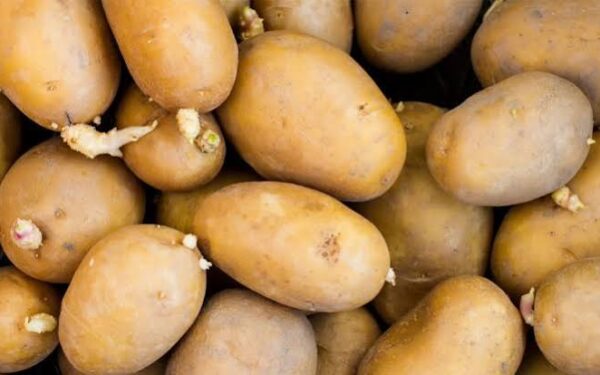
Gluten is a protein found specifically in wheat, rye, barley, and triticale (a wheat-rye hybrid). Potatoes are a root vegetable, not a grain, and contain none of these. That means a plain potato — baked, boiled, mashed, or roasted with nothing added — is gluten-free by nature, every time, no exceptions. This applies to all potato types, including sweet potatoes.
So if gluten is a concern for you or someone you’re cooking for, potatoes themselves were never the issue. The ingredients and preparation method are where things can go wrong.
What Can Make Mashed Potatoes NOT Gluten-Free
1. Gravy
This is the single most common source of hidden gluten on a plate of mashed potatoes. Traditional gravy is thickened with wheat flour. If gravy is ladled over the potatoes (or even served on the same plate with cross-contact), that portion is no longer gluten-free unless the gravy is specifically made with a gluten-free thickener like cornstarch or a certified gluten-free flour blend.
2. Bouillon, stock, or broth
Some bouillon cubes and stocks — homemade or store-bought — contain wheat-based fillers or flavor enhancers. If a recipe calls for chicken or vegetable broth in the mashing liquid, check the label.
3. Boxed or instant mashed potatoes
Some instant potato products are gluten-free, others aren’t — it varies by brand and even by flavor variety within the same brand. Pre-seasoned or “loaded” instant mashed potato mixes are the most likely to contain gluten-based thickeners or flavoring agents. Always check the label rather than assuming.
4. Restaurant mashed potatoes
Restaurant kitchens introduce two separate risks:
- Recipe risk — some restaurants add a small amount of flour as a thickener, or use a roux-based technique.
- Cross-contact risk — potatoes prepared on shared equipment, in shared fryer oil, or with shared utensils used for breaded or floured foods can pick up trace gluten, which matters for anyone with celiac disease.
If you have celiac disease specifically (not just a mild sensitivity), it’s worth asking your server directly how the potatoes are prepared, rather than assuming “mashed potatoes” is automatically safe on any menu.
5. Seasoning blends
Some pre-mixed seasoning blends use wheat-derived ingredients as an anti-caking agent or flavor carrier. It’s uncommon, but worth a label check if you’re using a packaged blend rather than individual spices.
How to Make Mashed Potatoes That Are Always Gluten-Free
The safest approach is also the simplest: build the dish from ingredients you’ve checked yourself, rather than trusting a pre-made product.
- Use fresh potatoes, not instant flakes, unless you’ve confirmed the specific product is labeled gluten-free.
- Stick to dairy and plain seasoning — milk, cream, butter, salt, and pepper are all naturally gluten-free.
- Skip bouillon or use a certified gluten-free stock if you want extra flavor in the mashing liquid.
- Make your own gravy with a gluten-free thickener (cornstarch, arrowroot, or a gluten-free flour blend) if gravy is part of the meal.
- Use clean utensils and cookware — if you’re cooking for someone with celiac disease, avoid using a pot, masher, or spoon that just touched gluten-containing food, since cross-contact is a real risk, not just a theoretical one.
Are Other Potato Dishes Gluten-Free Too?
Worth knowing if mashed potatoes are just one part of the meal:
| Dish | Gluten-free? |
|---|---|
| Baked potato (plain) | Yes |
| Boiled/steamed potatoes | Yes |
| Roasted potatoes (oil, salt, herbs only) | Yes |
| French fries | Usually, but check for shared fryer oil with breaded foods |
| Potato chips | Often, but some flavored varieties use gluten-based seasoning — check the label |
| Scalloped/au gratin potatoes | Not always — some recipes use flour to thicken the sauce |
| Potato bread/rolls | No — these contain wheat flour as a primary ingredient despite the name |
| Gnocchi | No — traditional gnocchi is made with wheat flour (gluten-free versions exist but aren’t the default) |
Frequently Asked Questions
Do potatoes have gluten? No. Potatoes are a root vegetable, not a grain, and contain no gluten in any form — mashed, baked, boiled, or fried, as long as nothing gluten-containing is added during preparation.
Are sweet potatoes gluten-free too? Yes. Sweet potatoes are botanically unrelated to wheat, rye, or barley and are naturally gluten-free in their plain form, same as regular potatoes.
Is instant mashed potato mix gluten-free? It depends entirely on the brand and product. Some are certified gluten-free; others contain gluten-based thickeners or flavoring. Always check the ingredient label rather than assuming.
Can I trust mashed potatoes at a restaurant if I have celiac disease? Not automatically. Ask how they’re prepared — specifically whether flour, roux, or shared equipment with breaded/floured foods is involved. When in doubt, ask for a dish you can verify, or choose a plain baked potato instead, which has fewer points of potential contamination.
What’s a good gluten-free thickener for potato-based gravies or sauces? Cornstarch and arrowroot powder are both reliable, naturally gluten-free thickeners that work well in gravies without altering flavor.
Want the full method for perfectly smooth, naturally gluten-free mashed potatoes from scratch? Check our Recipes section, including how do you warm up mashed potatoes once you’ve got leftovers.