Peeling a pile of potatoes for dinner and wondering whether the scraps can go straight to the coop instead of the compost bin? The answer depends entirely on two things: whether the skins are cooked, and whether they’re green.
Quick answer: Cooked, plain potato skins are safe for chickens in moderation. Raw potato skins — and especially any skin with a green tinge — should be avoided, because regular (white) potatoes belong to the nightshade family and contain a toxic compound called solanine that’s concentrated in the skin, sprouts, and any green-colored flesh.
Here’s how to tell the difference and feed potato skins safely.
Why Potato Skins Need Special Care
Regular potatoes (Solanum tuberosum) are nightshades, in the same plant family as tomatoes and eggplant. Nightshades naturally produce solanine, a compound that protects the plant from pests — but it’s also toxic to chickens (and humans) in large enough quantities. Solanine concentrates most heavily in:
- The skin, especially once it’s exposed to light
- Any green-tinged areas of the flesh or skin
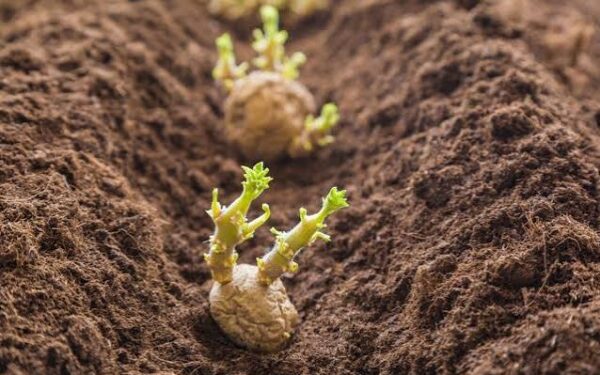
- Sprouts and “eyes”
- The leaves, stems, and vines of the potato plant (never feed these, cooked or not)
Cooking significantly reduces solanine levels, which is exactly why cooked potato skins are considered safe in moderation, while raw ones are not.
The Simple Rule: Cooked and Not Green
| Skin condition | Safe for chickens? |
|---|---|
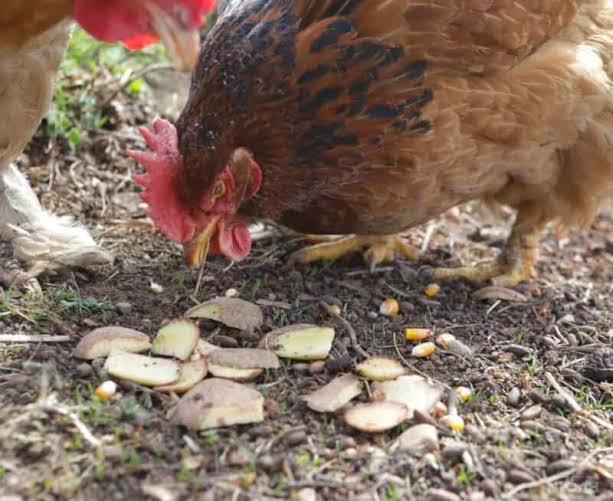
| Cooked, plain, normal color | Yes, in moderation |
| Raw, normal color | No — avoid |
| Any green tinge (cooked or raw) | No — discard, don’t risk it |
| Sprouted (“eyes” showing) | No — cut away and discard before cooking or feeding |
If you’re ever unsure whether a peel is green, err on the side of tossing it in the compost instead of the coop. It’s not worth the risk for a treat that’s optional in the first place.
How to Feed Potato Skins Safely
- Cook them first. Boiling, baking, or steaming meaningfully reduces solanine content. Raw skins should never go to your flock.
- Skip the seasoning. No butter, salt, or oil — plain is always the safer choice for poultry.
- Check for green before serving, even after cooking. Cooking reduces solanine but doesn’t eliminate it entirely, so a heavily green peel still isn’t worth feeding.
- Offer in moderation. Like any treat, potato skins shouldn’t replace a balanced layer feed — they’re a supplement, not a meal.
- Cut into manageable pieces so multiple birds can access the treat without one hen hoarding the whole pile.
What About the Rest of the Potato?
This is worth knowing since it changes how much risk you’re actually managing:
- Cooked potato flesh (no skin) — safe in moderation, same solanine logic applies but at much lower concentration than the skin.
- Raw potato flesh — technically lower-risk than raw skin, but still harder to digest and not recommended as a regular feed item.
- Potato leaves, stems, and vines — never feed these, cooked or raw. This is where solanine concentration is highest on the whole plant.
- Sweet potatoes — a completely different plant (not a nightshade), and a much more forgiving option. Sweet potato skins, flesh, leaves, and vines are all safe for chickens raw or cooked. If you want a low-fuss potato-family treat for your flock, sweet potato is the easier choice.
Other Foods to Keep Away From Potato Scraps
If you’re regularly feeding kitchen scraps, it helps to know what else belongs in the “skip it” pile alongside raw/green potato skins:
- Onion and garlic skins/scraps (in large quantities)
- Avocado skin and pit
- Raw dried beans
- Moldy food of any kind
- Anything heavily salted, sugared, or seasoned
Frequently Asked Questions
Can chickens eat raw potato peels? No. Raw potato peels carry the highest solanine concentration of any commonly fed part of the potato and should always be cooked before offering them to your flock.
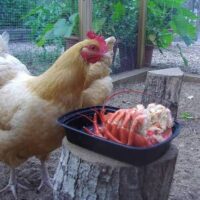
Are green potato skins always toxic? Green coloring signals a meaningfully higher solanine concentration, so green-tinged skins — cooked or raw — should be discarded rather than fed, even though a small amount of green doesn’t guarantee harm. It’s simply not worth the risk for an optional treat.
Can chickens eat potato skins every day? It’s better treated as an occasional treat rather than a daily feed item. Like all scraps and treats, it should stay a small portion of your flock’s overall diet, which should mainly come from a complete layer feed.
What are the symptoms of solanine poisoning in chickens? Signs can include lethargy, digestive upset, diarrhea, and in severe cases, more serious neurological symptoms. If you suspect a chicken has eaten a large quantity of raw or green potato material and is showing these signs, contact a poultry-experienced vet promptly.
Is it safer to just avoid potato skins altogether? If you’d rather not track cooked-versus-raw and green-versus-not, sweet potato skins are a simpler, lower-risk alternative that’s safe in any state — raw, cooked, peeled, or not.
Want the full picture on feeding your flock sweet potatoes instead? See our guide: Can Chickens Eat Sweet Potatoes?