Sweet potatoes show up constantly on lists of “safe” foods for dogs — and they are, with one important catch that a lot of pet owners miss.
Quick answer: No, dogs should not eat raw sweet potatoes. While sweet potatoes themselves aren’t toxic to dogs, raw sweet potato is firm and fibrous, making it genuinely difficult for dogs to chew and digest. It poses a real choking hazard and can cause an intestinal blockage or stomach upset. Cooked, plain sweet potato — boiled, baked, or steamed, with the skin removed — is the safe, vet-recommended way to feed it.
Here’s what’s actually going on, and how to serve sweet potato to your dog the right way.
Why Raw Sweet Potato Is a Problem for Dogs
It’s not a toxicity issue — it’s a texture and digestibility issue.
- Choking hazard. Raw sweet potato is hard and dense. A chunk that seems manageable to you can be a real choking risk for a dog, especially dogs that tend to gulp food rather than chew it thoroughly.
- Intestinal blockage risk. Because raw sweet potato doesn’t break down easily in the digestive tract, larger pieces can potentially cause a blockage — a genuine emergency that may require veterinary intervention.
- Digestive upset. Even when a dog manages to chew and swallow raw sweet potato without choking, the raw starch is harder to digest than cooked starch, and can lead to vomiting, diarrhea, or general stomach discomfort.
Cooking breaks down the tough fiber and converts resistant starches into a form that’s much easier for a dog’s digestive system to process — which is exactly why every major veterinary source agrees on cooked-only for this particular food.
How to Safely Feed Sweet Potato to Your Dog
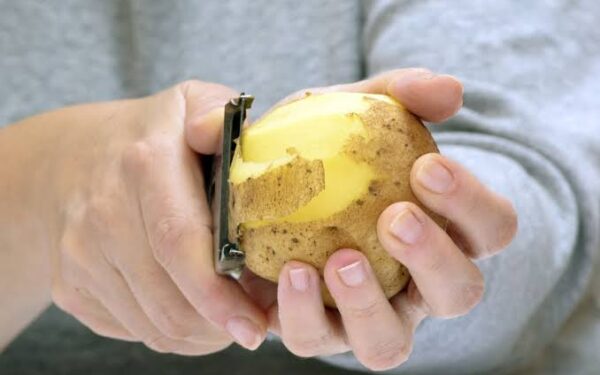
- Wash and peel. Remove the skin — it’s tougher to digest and not necessary for the dog to get the nutritional benefit.
- Cook thoroughly. Boil, bake, or steam until soft enough to mash easily with a fork. No specific cook time is universal — judge by texture, not the clock.
- Skip the seasoning. No butter, salt, sugar, or spices. Dogs don’t need (and can be harmed by) the seasonings we’d normally add for ourselves — garlic and onion powder in particular are toxic to dogs.
- Cut or mash into small, manageable pieces appropriate to your dog’s size, to minimize any remaining choking risk even after cooking.
- Start with a small amount. As with any new food, introduce it gradually and watch for signs of an upset stomach or allergic reaction before making it a regular treat.
How Much Sweet Potato Can a Dog Have?
Sweet potato should be treated as a treat or supplement, not a meal replacement. A commonly cited guideline is the “10% rule”: treats of any kind — including healthy vegetables like sweet potato — shouldn’t make up more than about 10% of a dog’s total daily caloric intake, with the remaining 90% coming from a complete, balanced dog food.
As a rough starting point, many vets suggest:
- Small dogs: about a teaspoon of mashed, cooked sweet potato.
- Larger dogs: a tablespoon or two.
These are general guidelines, not a substitute for advice from your own veterinarian, who can account for your dog’s size, weight, activity level, and any existing health conditions (sweet potato is higher-glycemic, for example, which matters more for dogs with diabetes or weight concerns).
Benefits of Cooked Sweet Potato for Dogs
When prepared safely, sweet potato isn’t just “not harmful” — it’s genuinely beneficial in moderation:
- Dietary fiber — supports healthy digestion and regular bowel movements.
- Vitamin A (beta-carotene) — supports vision, skin, and immune health.
- Vitamins B6 and C — contribute to overall metabolic and immune function.
- Potassium and manganese — support muscle and bone health.
Because it’s a whole, simple food, sweet potato is also less likely than processed treats to trigger digestive upset or an immune reaction, which is part of why it shows up so often as a recommended ingredient in sensitive-stomach dog diets.
Risks and When to Be Extra Careful
- Too much vitamin A. Overfeeding sweet potato over time can contribute to excess vitamin A intake, which in large, sustained amounts may affect bone and muscle health. This is a moderation issue, not a reason to avoid sweet potato entirely.
- Diabetic or overweight dogs. Sweet potato has a relatively high glycemic index. If your dog has diabetes or a weight management plan, check with your vet before adding it as a regular treat.
- Sweet potato fries and chips. These are a different food entirely — fried in oil and often seasoned with salt, garlic, or onion powder, all of which are problematic for dogs. If you want to share something fry-shaped, bake plain sweet potato slices yourself with no oil or seasoning.
- Allergic reactions. Uncommon, but possible. Watch for itching, swelling, hives, or gastrointestinal symptoms after introducing any new food, and stop immediately if you notice them.
What If Your Dog Already Ate Raw Sweet Potato?
If your dog grabbed a piece of raw sweet potato off the counter or out of the garden, don’t panic — a small amount is unlikely to cause serious harm. Monitor your dog for the next 24 hours for:
- Vomiting
- Diarrhea
- Reduced appetite
- Signs of discomfort, straining, or lethargy
If your dog swallowed a large piece, is a small breed, or shows any signs of distress, choking, or possible blockage (repeated vomiting, inability to keep food down, visible discomfort), contact your veterinarian promptly rather than waiting to see if it resolves on its own.
Frequently Asked Questions
Are sweet potatoes toxic to dogs? No. Sweet potatoes are not toxic to dogs. The concern with raw sweet potato specifically is choking and digestibility, not toxicity.

Can dogs eat sweet potato skin? It’s best to remove the skin. It’s tougher and harder to digest than the flesh, and isn’t necessary for the dog to benefit nutritionally from the sweet potato.
Are sweet potatoes better for dogs than regular potatoes? Both can be fed safely when cooked and plain, but regular (white) potatoes belong to the nightshade family and must never be fed raw or green, since they can contain solanine, a compound that’s toxic in meaningful amounts. Sweet potatoes don’t carry that same risk, though raw is still off-limits for the choking/digestion reasons above.
Can puppies eat sweet potato? In small, soft, cooked amounts, yes, as an occasional treat — but check with your vet first, especially for very young puppies still establishing their diet.
How often can I give my dog sweet potato? A few times a week in appropriate small portions is a reasonable guideline for most healthy adult dogs, but always keep total treats under about 10% of daily calories, and check with your vet if your dog has any health conditions.
This article is for general information, not a substitute for veterinary advice. If you’re ever unsure whether a food is safe for your specific dog, check with your vet before feeding it.
Curious about growing your own sweet potatoes at home? See our full How to Plant Sweet Potatoes guide.